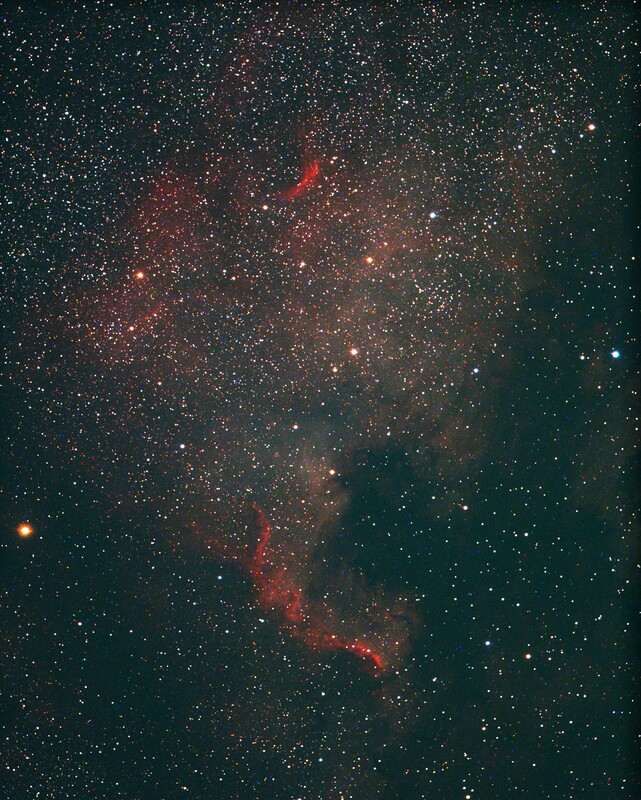
Last night I switched from using my DS8300cTEC to the DS26cTEC which has a big Field Of View and lots of pixels! Below is an image I captured of the North America Nebula (NGC7000) with the DS26cTEC on my Celestron RASA 8 telescope using the camera's full FOV. Due to the size of the file (16.6 MB), the live screen updates are slower when using its native resolution and full FOV. For large nebula like this I have found switching to Bin2x2 results in much faster updates due to a smaller file size, increased sensitivity and shorter exposure times. (Note: I used my live post processing (lpp) technique with MS Photo Viewer right after capturing the image to be able to quickly enhance it and make the file smaller for posting on the web).
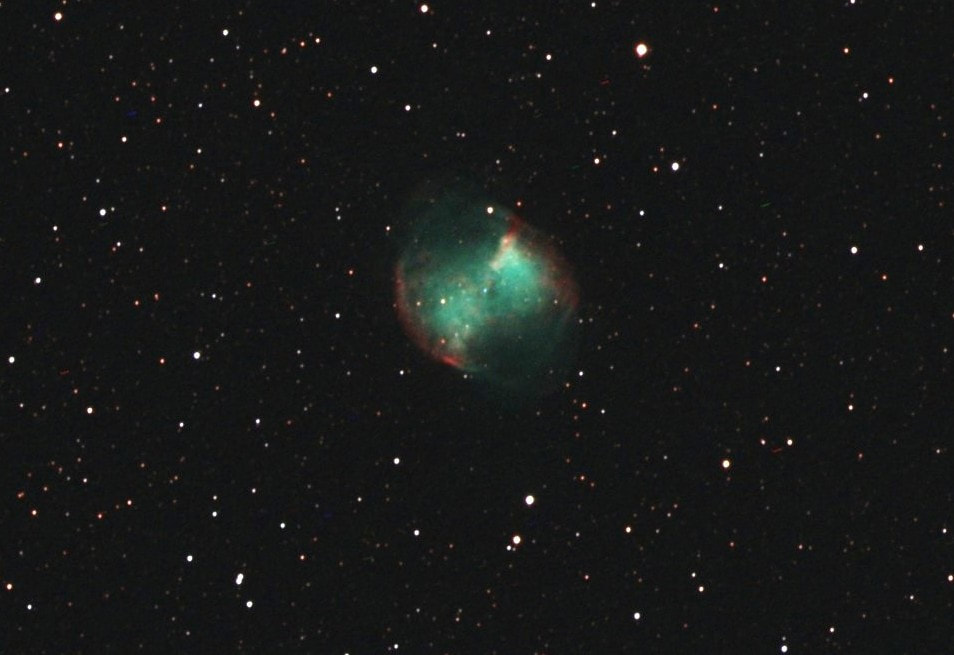
For smaller targets I use the Region of Interest (ROI) to “live crop” the image in real time which produces much faster updates and stacking using its native resolution since it only transfers the ROI pixel area to the computer. Below is the Dumbbell Nebula (M27) that I viewed last night in this manner (and used lpp to enhance the image).
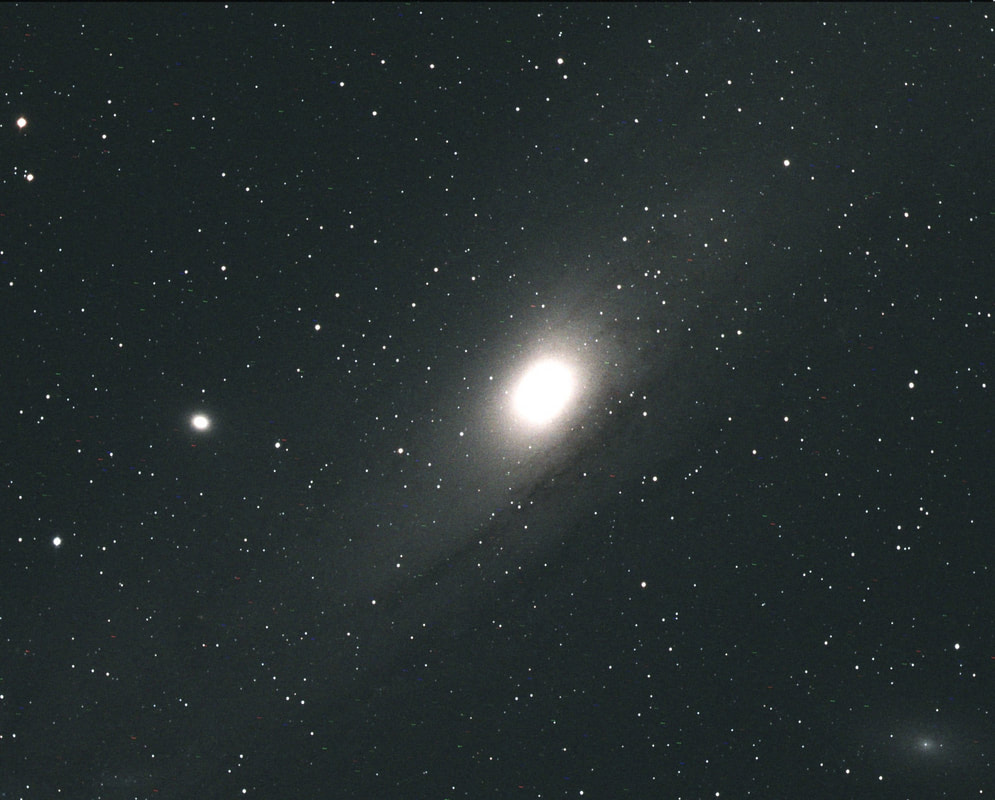
I didn’t have a lot of time due to some clouds beginning to come in. My last image before shutting down is the Andromeda Galaxy (M27) using ROI for faster updates using the native resolution but less than the full FOV (and again used lpp to enhance it).
I enjoyed using the DS26cTEC again with its BIG field of view and pixels!
 RSS Feed