Yep. You read the title right. Between the evening of Sunday, January 20th, and the early morning hours of Monday, January 21, a total lunar eclipse was observed in the Americas. The Moon was almost at its perigee (the closest that the Moon comes to the earth in its elliptic orbit), which is sometimes called a “supermoon” because the moon has a slightly larger-than-usual apparent size. It was also a “wolf” moon – the first full moon in a calendar year. During a total lunar eclipse, the moon takes on a reddish blood-like color. Thus the name “super blood wolf moon” for this particular total lunar eclipse. The next total lunar eclipse will not occur until May 2021.
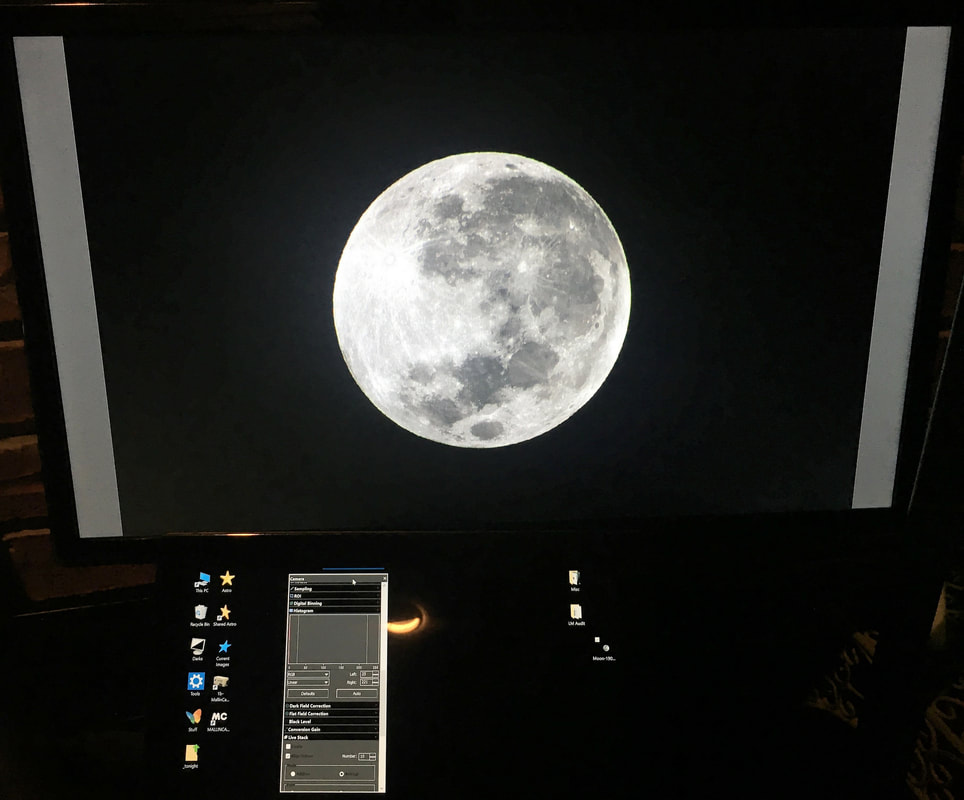
I captured images once a minute before, during and after the total eclipse with a MallinCam DS10c camera inserted into my MCR-80ED refractor telescope on my SkyProdigy mount. I was inside where it was warm using Remote Video Astronomy to control the mount & camera and view the image live on my monitor.
I captured images once a minute before, during and after the total eclipse with a MallinCam DS10c camera inserted into my MCR-80ED refractor telescope on my SkyProdigy mount. I was inside where it was warm using Remote Video Astronomy to control the mount & camera and view the image live on my monitor.
 |  |
I did periodically go outside and to look up and see how it looked to the eye. I also looked at it through my Canon Image Stabilizer 12x36 IS III Binoculars. Within a few moments of pressing down on the button on the top of these binoculars, the jittery handheld view transforms in to a nice stable floating image of the moon. (Its also great for viewing the stars and other bright objects without them jumping all over your field of view).

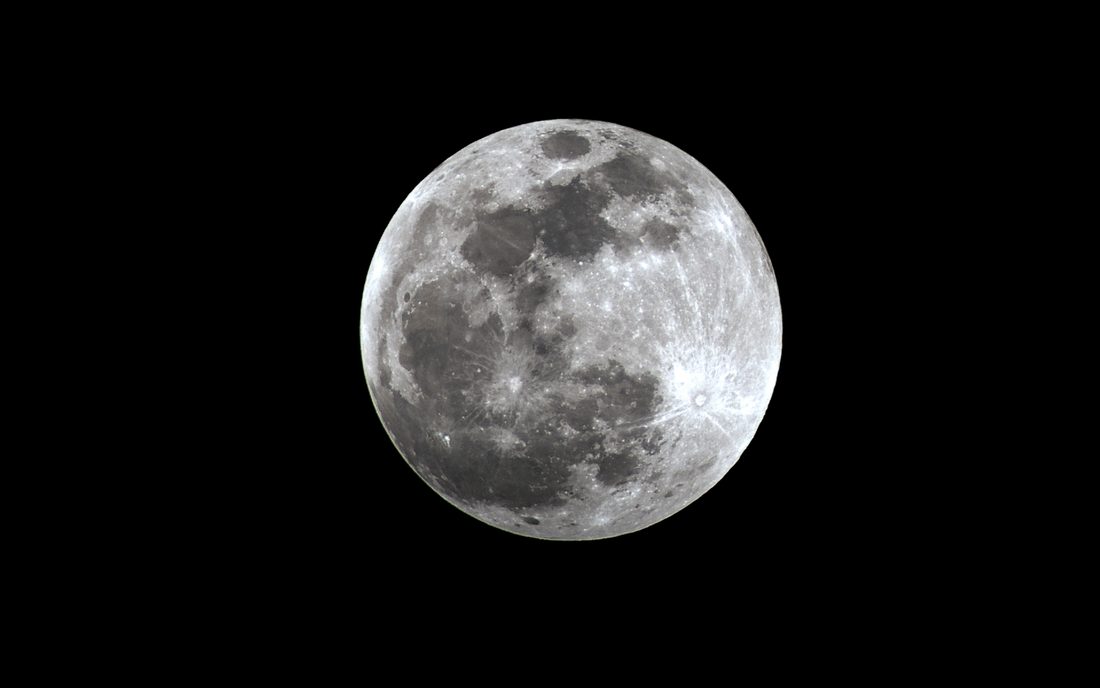
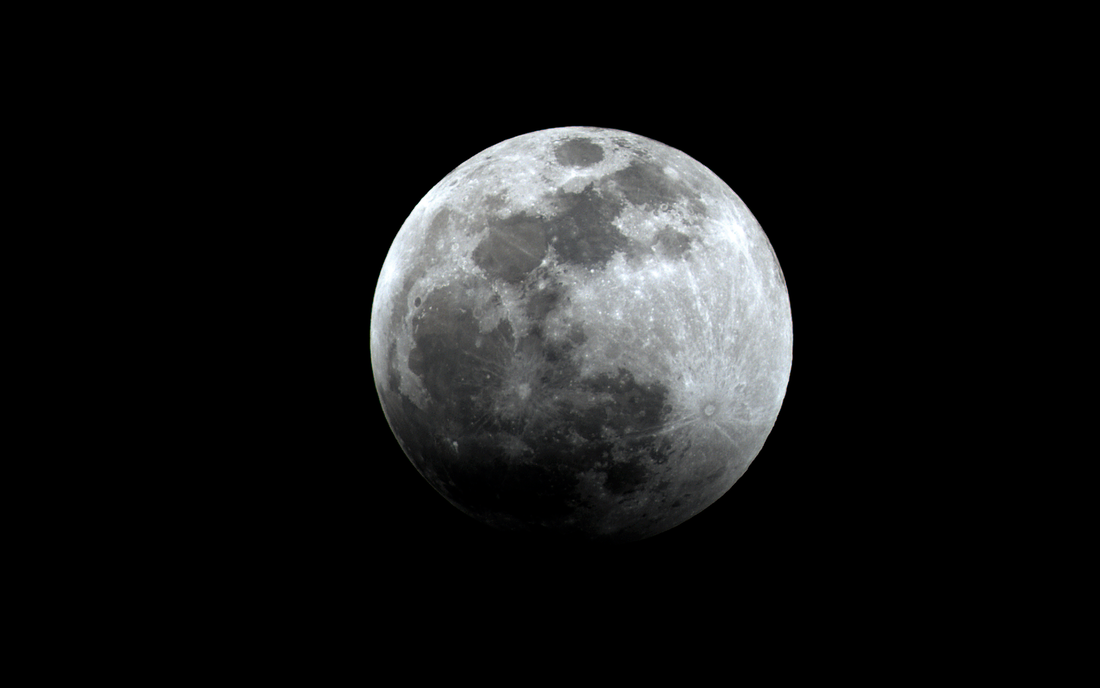
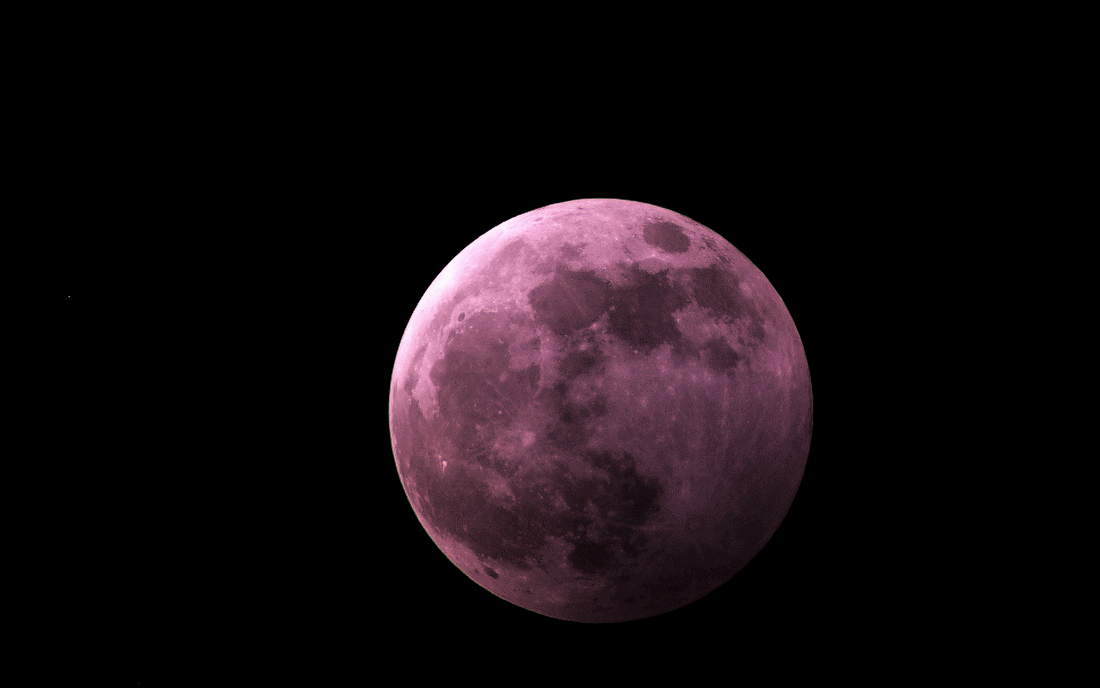
Speaking of moving around in the field of view, due to the long duration of this event and the tracking limits of my SkyProdigy Alt-Az mount, my image captures of the moon shifted some within the field of view during the eclipse. So I had to slightly adjust the telescope position every once in a while to move the moon’s image back toward the center of the image. You can see the shifting position of the moon in all of the images below. The following two images are of the full moon before the eclipse began and after it began to darken.
 |  |
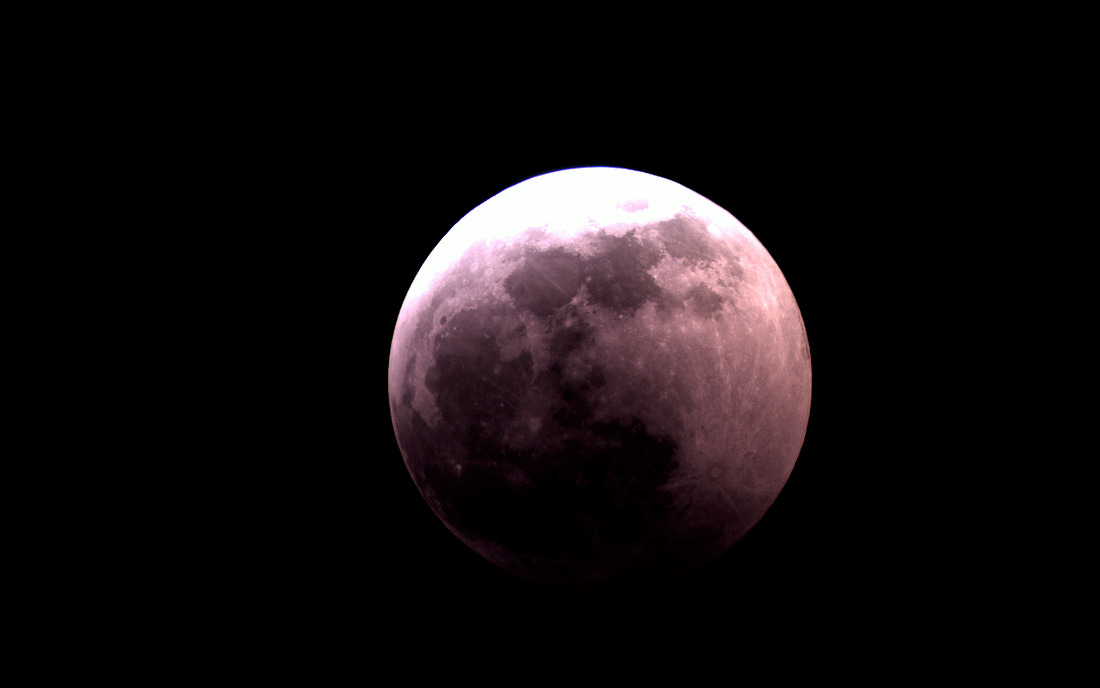
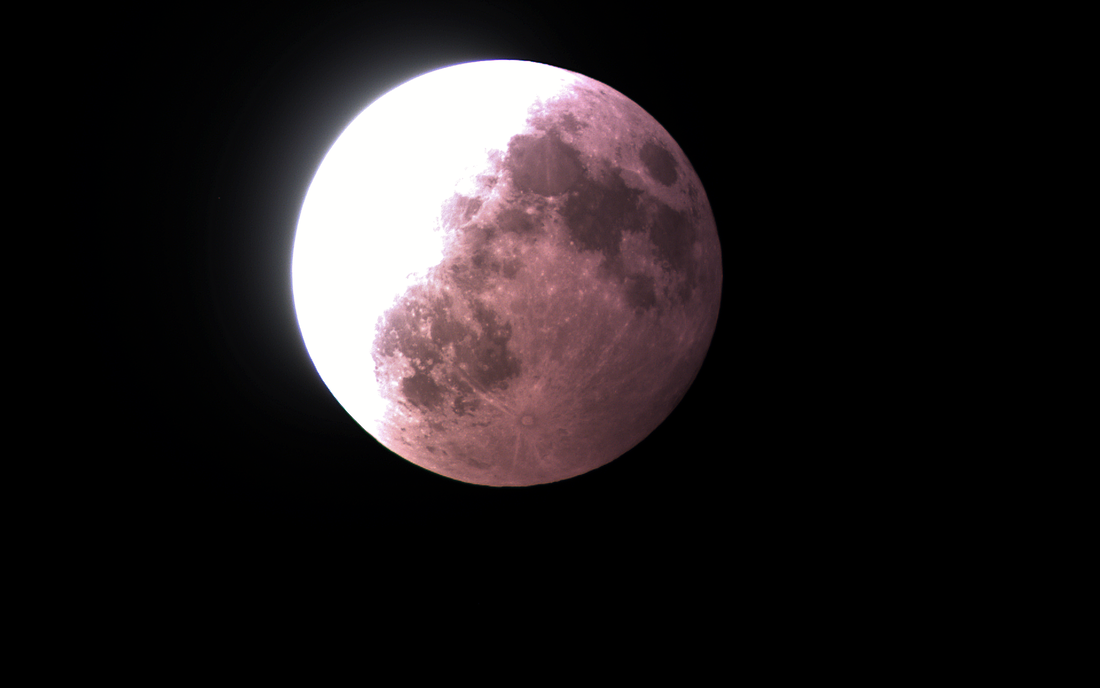
As it began to darken more, I began to wonder when I would see the “red blood” effect. I then realized I would only see black for the dark portion if I didn’t adjust my exposure. After lengthening the exposure slightly, the white portion became over exposed, but I then could see the red effect increase as the moon neared totality.
 |  |
After awhile the moon began to brighten…
 | 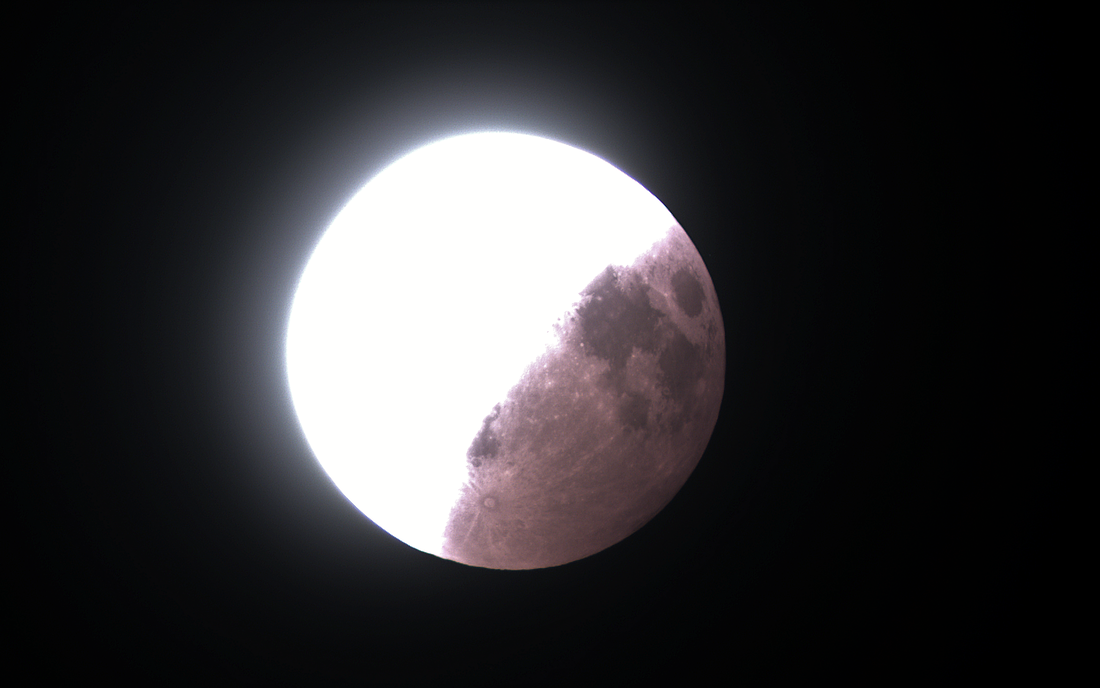 |
… ultimately requiring me to shorten my exposure to once again be able to see the details in the brightly illuminated portion of the moon. And when the eclipse was over, it returned to a normal full moon – but still a super one! 😊
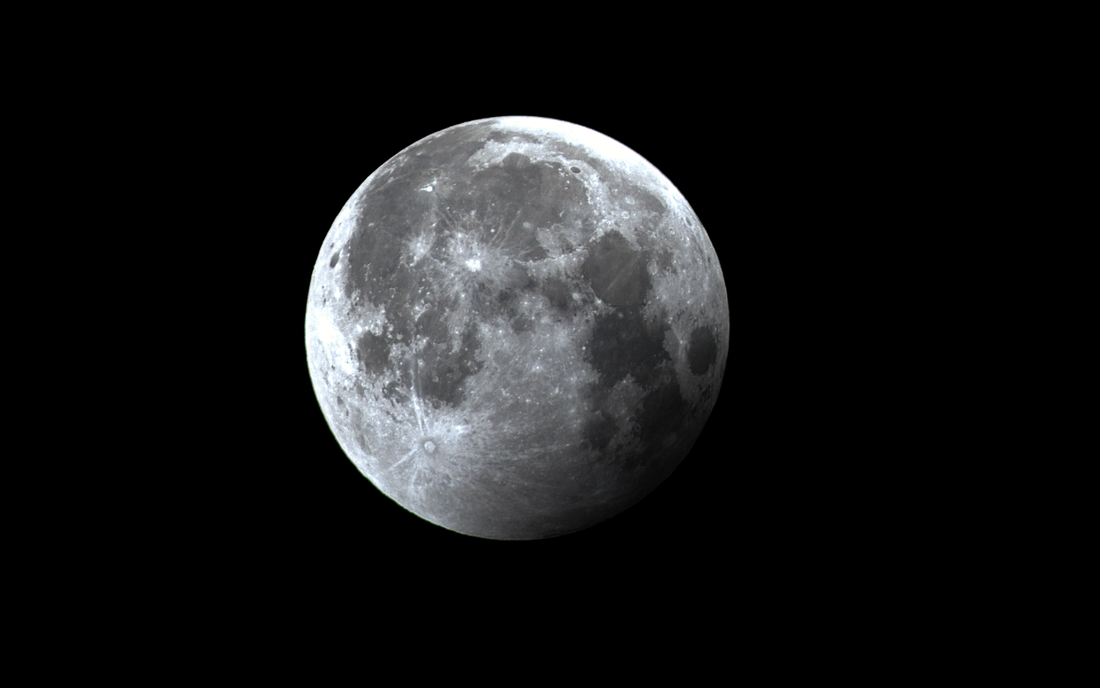 | 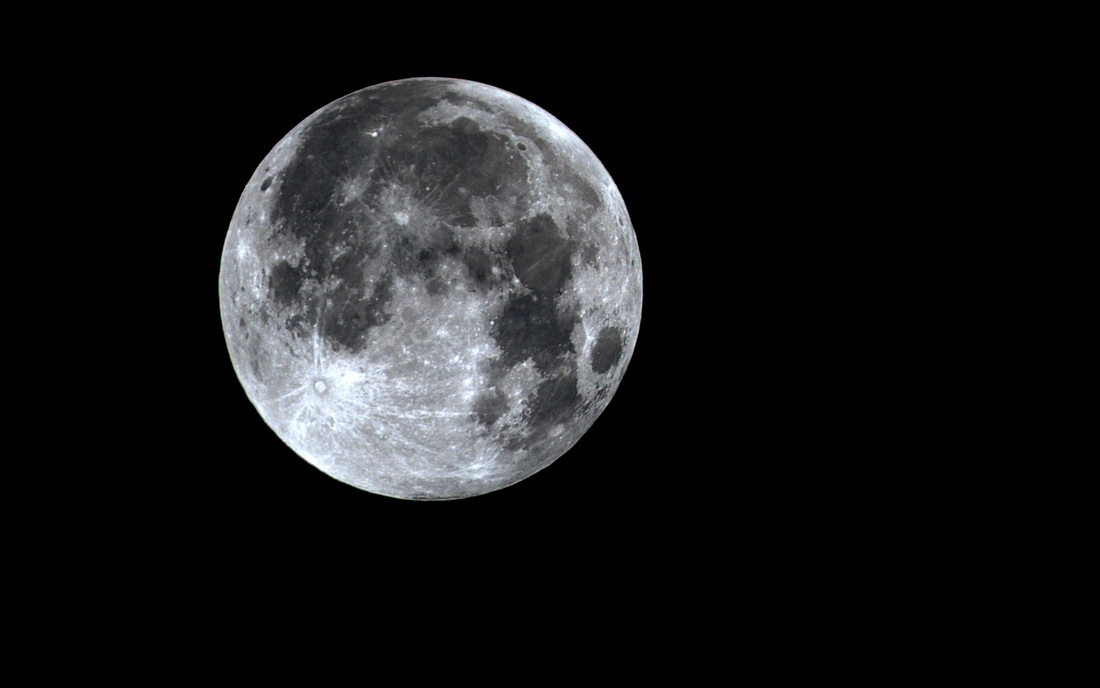 |
If you compare the first image of the moon before the eclipse began and look through the images to the last one after it was over, the image of the moon appears rotated later in the evening. This is not due to the moon’s spin (once/month), but is due to the “field rotation” effect when using an Alt-Az mount.
I had thought about using an equatorial mount for viewing and recording the lunar eclipse to avoid any field rotation. The good news is the orientation of the moon would have remained the same in the captured image throughout the evening. But as the moon changes from being viewed to the east to being viewed to the west, a “meridian flip” occurs. The bad news is that to keep tracking the object past the meridian position with an equatorial mount, at some point you must stop tracking the object, flip your telescope from pointing east to point toward the west, and then resume tracking.
With an Alt-Az mount the telescope just keeps tracking the moon as it moves from east to west with no meridian flip to deal with. However, its view of the sky will rotate within the field of view. In fact, an Alt-Az mount “sees” the sky just like you do when you look up. If you had looked at the moon toward the east before the eclipse began and noted where a particular bright crater was located (like Tycho), and then looked again where the bright crater was located after the eclipse was over, you would realize the image of the moon that you now see has rotated somewhat. So an Alt-Az mount actually reproduces your point of view of the skies as you would see it looking up.
 RSS Feed